








Do Cats Crave Human Attention? Signs To Look Out For

Like us, you’ve probably been brought up to believe cats are independent, detached creatures. But as it happens, their relationships with humans are far more complex than we might think. While we wouldn’t go so far as to call them ‘asocial’, cats are certainly unique in their social needs and the way they interact with us humans. It turns out they’re not just after food – they actually enjoy our company too! But how much attention do cats need from us humans? Well, let’s discuss this further.
The Social Evolution of Cats
Unlike dogs, who have more of a pack mentality, cats are very subtle in their social structures. They’ve evolved over years of domestication to form strong attachment bonds with humans, often seeking us out for comfort and security. These social interactions are nuanced and vary from cat to cat, but understanding this evolution can help us to meet their complex needs.
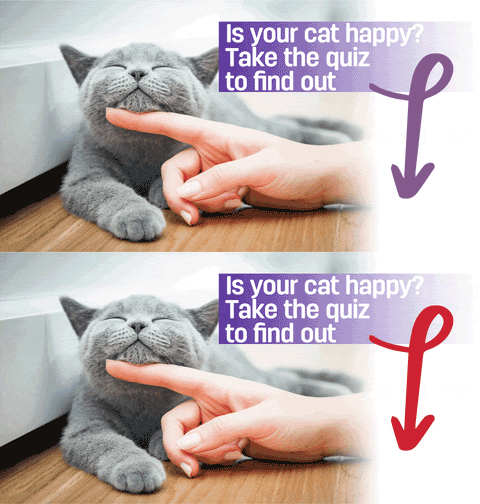
Generally speaking, cats benefit from friendly, regular, and predictable relationships with humans. These interactions should be high in frequency but low in intensity, as cats often feel more in control in these scenarios. A simple ‘hi’ and a head rub might be just what your cat needs, rather than an extended petting session.
Signs Your Cat is Seeking Attention
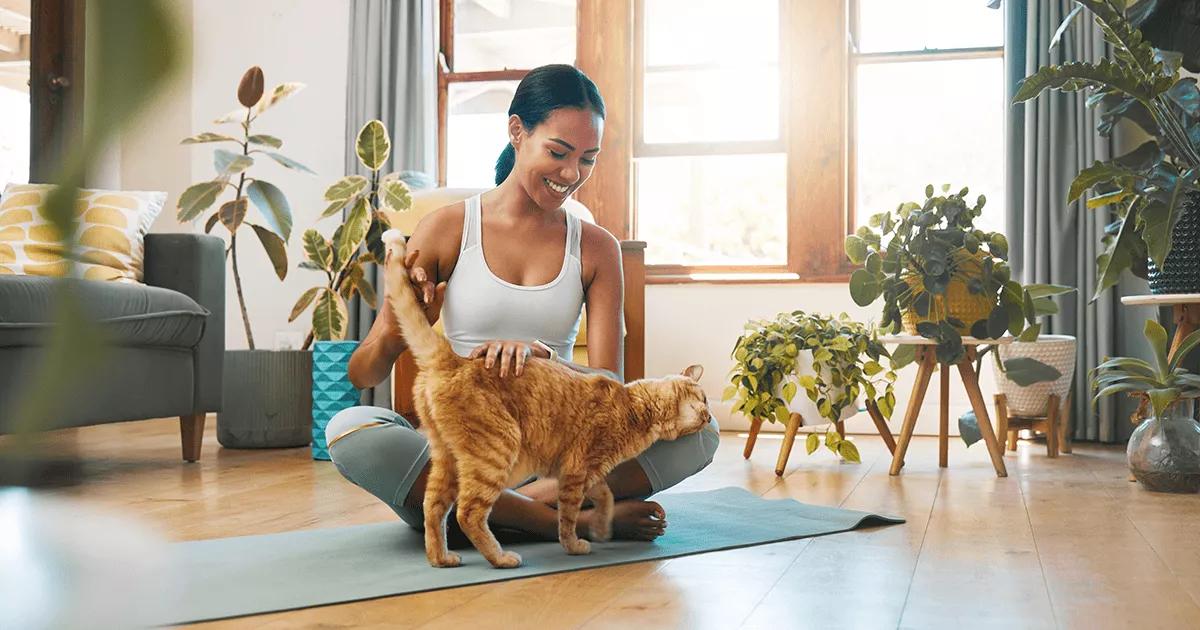
Cats have a number of ways of communicating when they want our attention. Recognising these signs and knowing when to respond can be a great way of building a strong bond with your cat. Here’s a few signs to look out for:
- Vocalisations: Cats are notoriously intelligent creatures, so it should come as no surprise they’ve worked out that meowing is a great way of getting human attention!
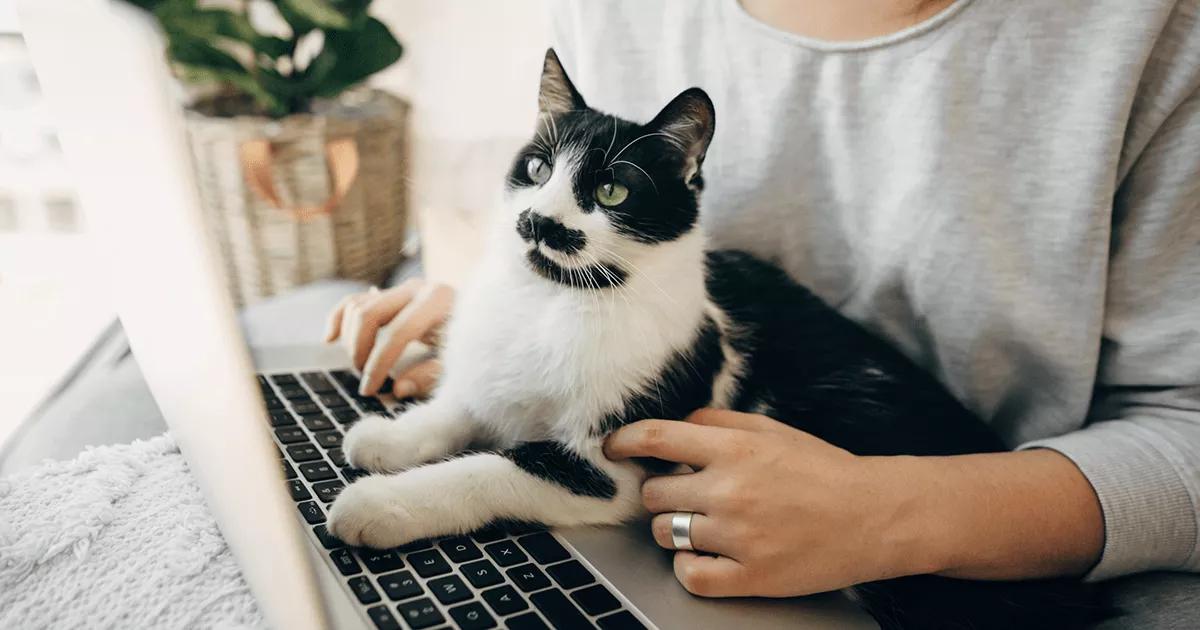
- Physical Contact: If vocalisations go unnoticed, your kitty might resort to directly touching you with a paw, jumping onto counters, or even walking across your laptop to get in your eyeline.
- Behavioural Cues: Attention seeking cats will often stare at you, scratch at a closed door, or follow you around. Some will also bring ‘gifts’ and enjoy the attention this then brings.
When to Give Attention and When to Set Boundaries
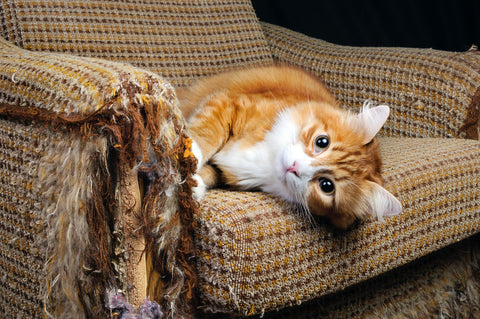
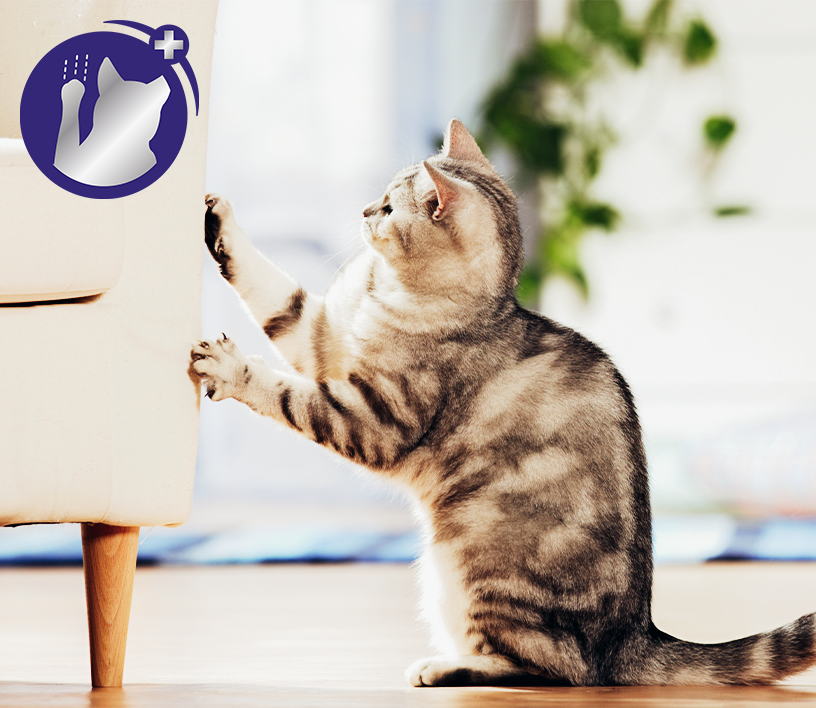
While it’s important to respond to your cat’s need for attention, it can also be helpful to know when to set boundaries. Cats, like their wild counterparts, are persistent by nature. They might resort to tactics like scratching or knocking items off surfaces to grab your attention. It can be a good idea to recognise and respond to these behaviours in a way that encourages positive interaction. For example, ignore unwanted behaviours and reward your cat when they’re relaxed and not engaging in these particular activities.
If your cat’s need for attention is difficult, or if you’ve noticed a sudden change in how much attention your cat needs, we recommend seeking professional help. Your little companion may have an underlying health issue such as a hormone disease that’s leading them to request more food. A qualified veterinarian will be able to give them a full check over and provide a suitable plan to bring them back to health. Alternatively, a behaviourist can look at ways to support your cat from a behavioural point of view.
Tips for Helping Cats with Separation Anxiety
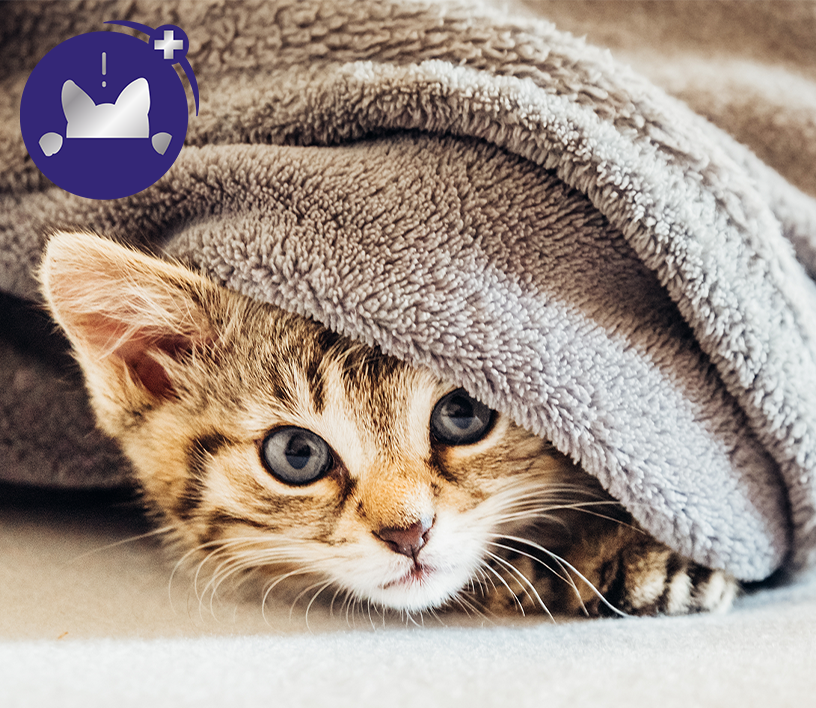
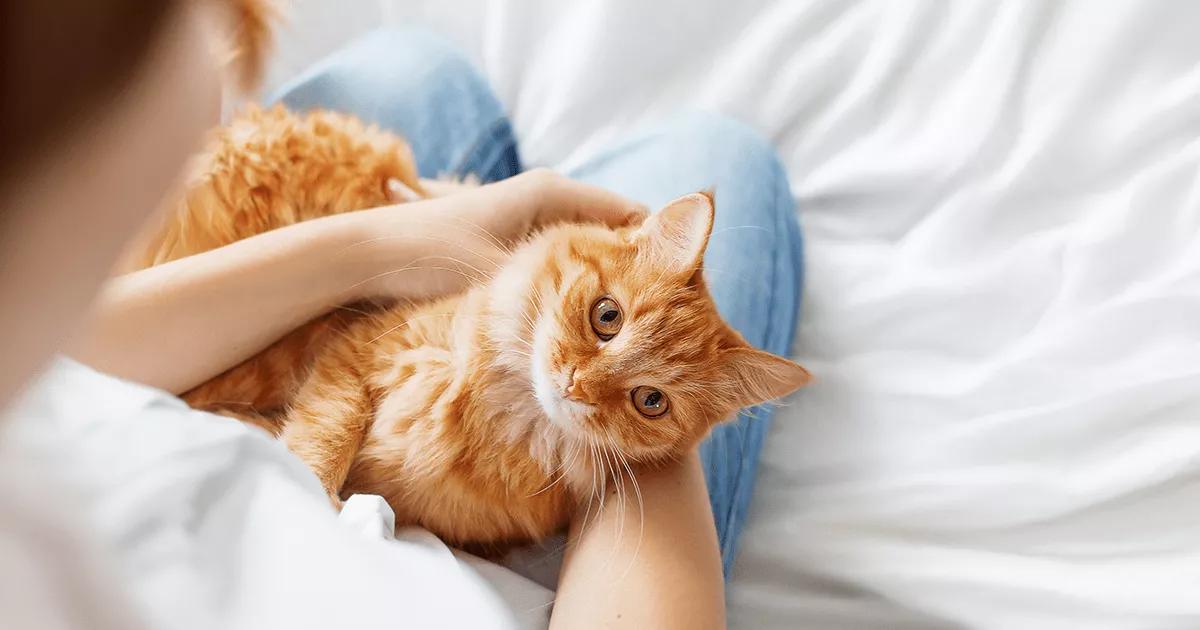
Sometimes, a cat’s need for human attention can develop into separation anxiety. This is particularly common if they’re used to constant human interaction. Fortunately, there are a few steps we can take to help. If your cat or kitten has separation anxiety, try out these tips:
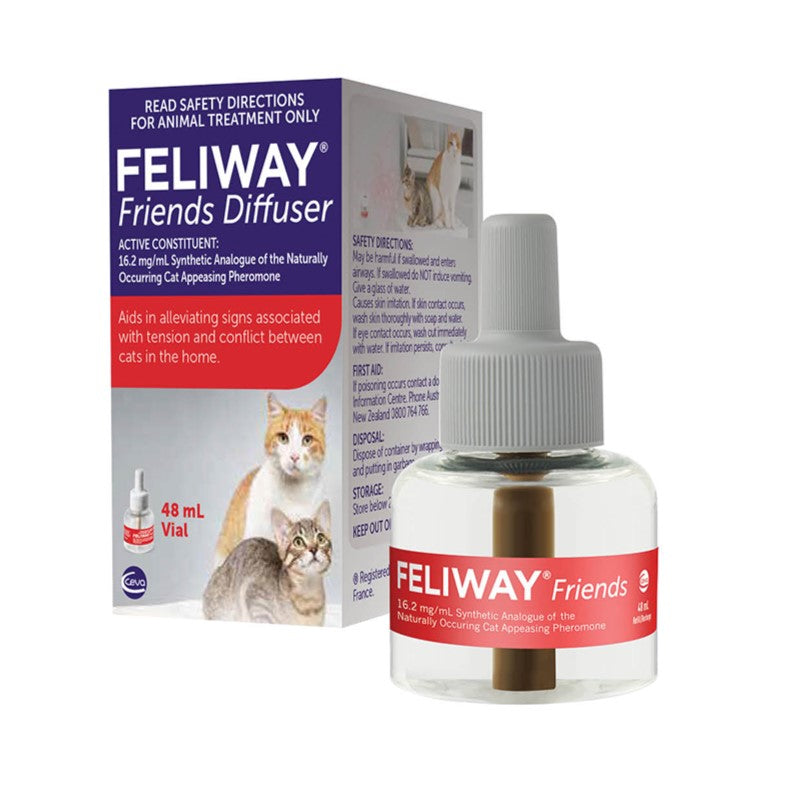
- Routine: Maintain a schedule or routine that includes regular playtime, grooming, and even a few training sessions. If you have more than one cat, make sure each cat has some time with you individually. This can also be a good period to gradually introduce some time that you’re unavailable, such as in another room, but remember to reward your cat for remaining relaxed while you’re not around.
- Mental Stimulation: Provide stimulation through activity feeders, treasure hunts, and scratching objects. You can also try scattering food instead of placing it neatly in a bowl or saucer.
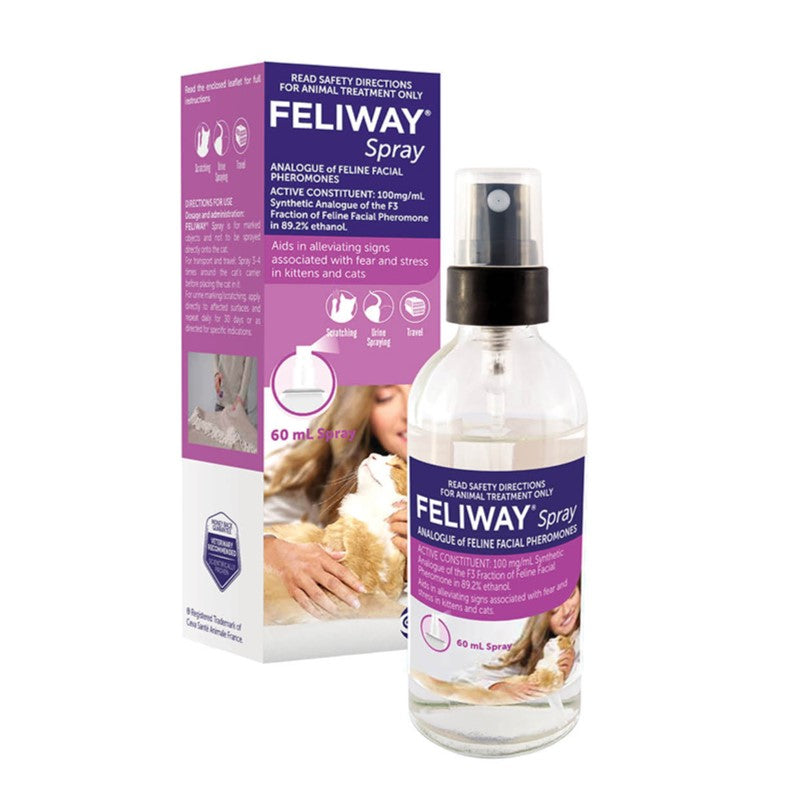
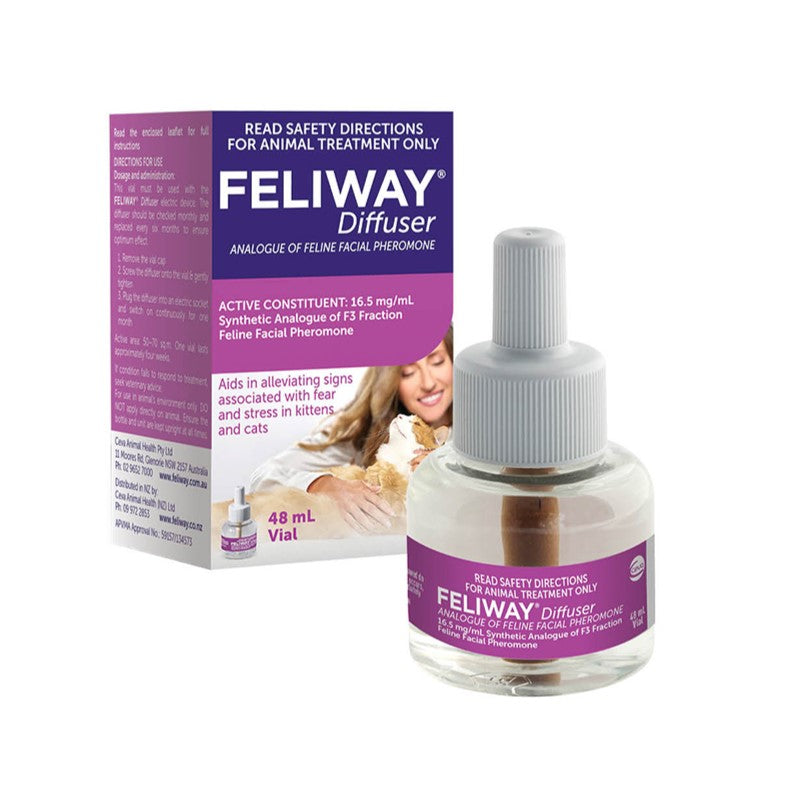
- FELIWAY: The FELIWAY Diffuser is ideal for creating a sense of safety and security in your home, even when you’re not around - the perfect solution for unsure or anxious cats who may be clingy or attention seeking.
Recognising Individual Differences
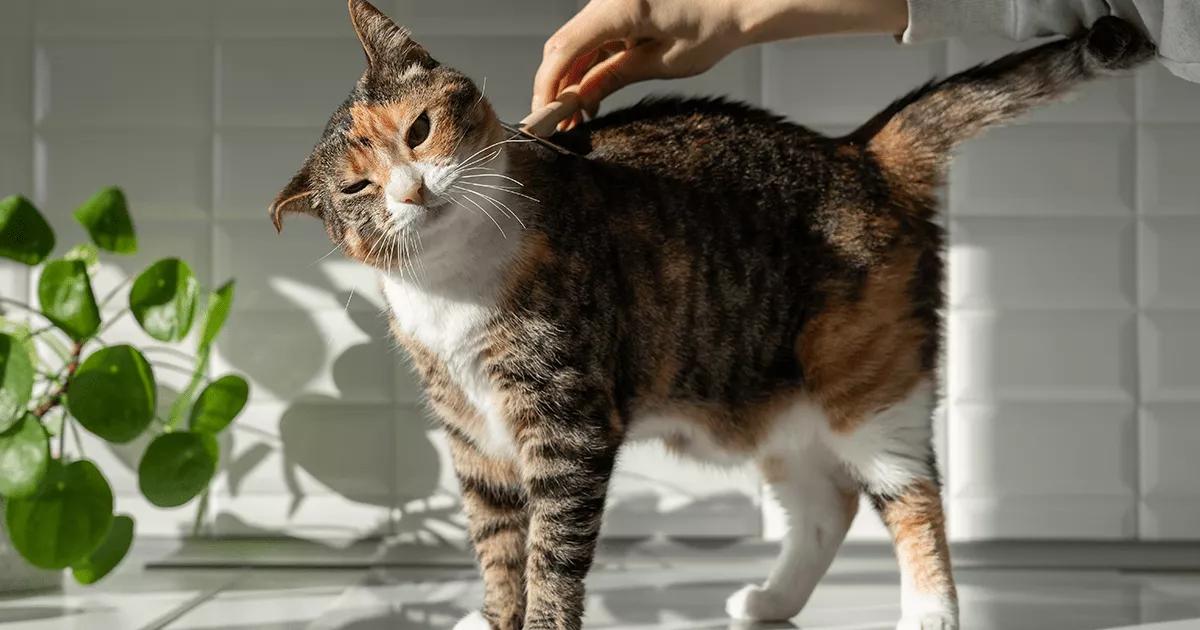
It’s important to remember that each cat is unique with its own social needs. Individual personality plays a large role in this, but there can be other factors too. Some breeds, like Siamese, are naturally more inclined towards social contact. Similarly, a cat’s stage of life can be a big determining factor. Kittens need a lot of care and attention, as do many senior cats as their health can change.
So, how much attention do cats need? It’s not a straightforward question to answer – it varies from cat to cat!
Creating a Positive Bond
Understanding and responding to your cat’s needs for attention can be something of a balancing act. By recognising when they’re seeking attention, setting appropriate boundaries, and using aids such as FELIWAY Diffuser, you can ensure a happy, healthy, and fulfilling relationship with your feline friend. Remember, you’re not just a source of food but a source of comfort and security too.